Kill Tooth Nerve Pain in 3 Seconds Permanently: Fact vs Fiction
Understanding Tooth Nerve Pain
What is Tooth Nerve (Pulp) Pain?
Tooth nerve pain, also called pulp pain, happens when the soft inner tissue (the pulp) of a tooth becomes inflamed or infected【32†L49-L52】【47†L222-L230】. The pulp contains nerves and blood vessels; when bacteria from a cavity or crack reach this area, it can trigger sharp, throbbing toothache. According to the Cleveland Clinic, pulpitis (inflamed pulp) occurs when bacteria breach the tooth’s enamel or dentin, causing severe pain that often requires a root canal or extraction if left untreated【32†L49-L52】. In fact, about 1 in 4 adults have untreated cavities that risk developing pulpitis【32†L103-L107】.
Common Causes of Nerve Pain (Decay, Fractures, Infection)
Several factors can expose or irritate the pulp:
- Deep decay (cavities): Bacteria eat through enamel into the pulp【32†L137-L144】【47†L222-L230】.
- Cracked or fractured teeth: A crack can open a pathway for bacteria and temperature changes to inflame the nerve【47†L224-L230】.
- Gum disease and receding gums: When gums recede, roots can expose, leading to sensitivity or pulpitis【47†L222-L230】.
- Broken or injured teeth: Trauma that chips or breaks a tooth often affects the pulp.
- Untreated cavities: Any untreated hole deepening toward the pulp will eventually cause pain【32†L137-L144】【47†L224-L230】.
The symptoms of nerve pain are unmistakable: sharp, throbbing or burning pain, often triggered by hot, cold, or sweet stimuli【32†L111-L119】【47†L234-L238】. This pain can radiate into the jaw, ear, or head【47†L234-L238】, disrupting sleep and daily life. If the pain persists beyond a day or two, it usually means the nerve is severely damaged and needs professional treatment【47†L240-L243】【32†L49-L52】.
Why Instant “Nerve Killing” Is a Myth
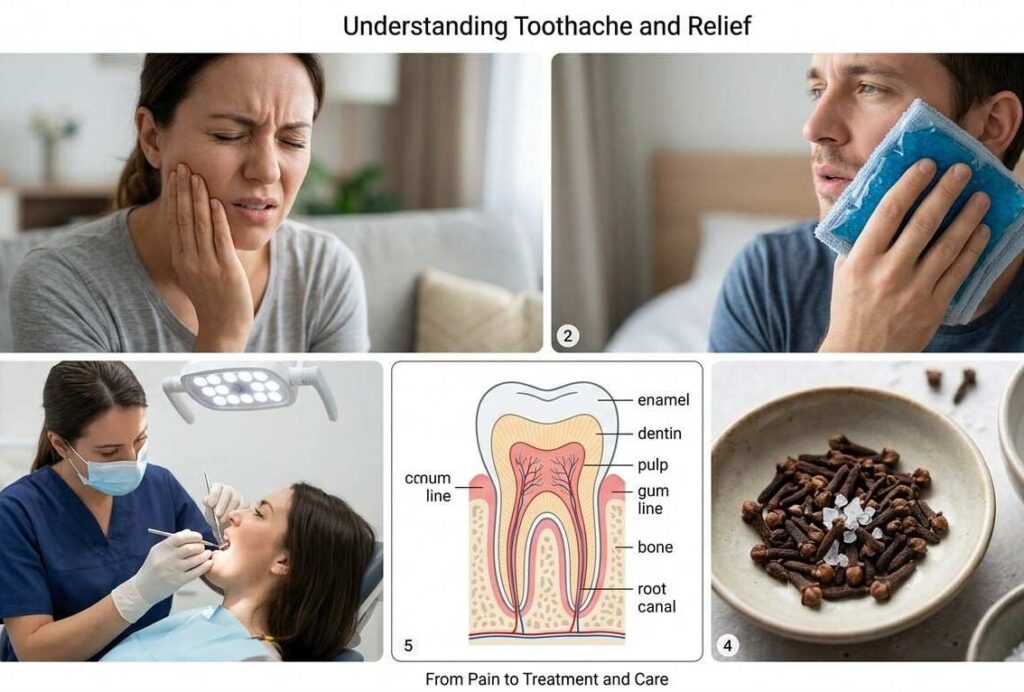
Tooth Anatomy: Enamel, Dentin, and the Pulp
It’s natural to want quick relief from intense pain, but the idea of instantly “killing” a tooth nerve misunderstands dental anatomy. The tooth’s nerve and blood supply (pulp) lie deep beneath layers of enamel and dentin – some of the hardest substances in the body【13†L190-L194】【54†L190-L194】. No home remedy or shortcut can penetrate these barriers in seconds. As one dental group bluntly states, there is “no legitimate medical method” to permanently eliminate tooth nerve pain in 3 seconds【13†L190-L194】. Likewise, a dentist’s blog notes that any promises of a 3-second cure are “misleading and potentially harmful”【54†L190-L195】【28†L39-L45】.
Myth vs. Reality: Why Home Remedies Only Provide Temporary Relief
Some DIY tricks (like applying ice, clove oil, or benzocaine gel) can numb the pain briefly. For example, clove oil contains eugenol, a natural anesthetic and antibacterial compound【24†L134-L142】. A 2006 study even found clove oil as effective as topical benzocaine gel for short-term toothache relief【24†L198-L204】. Saltwater rinses and cold compresses can reduce inflammation and swelling【43†L343-L347】【41†L58-L64】. However, these methods merely mask the symptoms; they do not “kill” the nerve or heal the infection.
After these temporary measures wear off, the true pain returns quickly, often worse. A dentist’s article warns that tricks touted online “typically refer to temporary numbing effects” and do nothing to address the underlying problem【54†L197-L201】【13†L197-L200】. In short, any home remedy only buys time.
For permanent relief, the diseased nerve itself must be removed or isolated. That requires professional dental care: a root canal (removing the pulp tissue) or tooth extraction. These procedures use anesthesia and specialized tools, and can’t be done at home safely【13†L203-L208】【54†L203-L207】. Trying to force-kill a nerve (for example, drilling at home or applying caustic chemicals) is dangerous and can cause burns, severe infection, or tooth loss【28†L39-L45】【51†L219-L221】.
In summary, no quick-fix exists to permanently stop nerve pain in 3 seconds【13†L190-L194】【28†L39-L45】. Instead, patients should focus on safe pain management and seek dentist care.
Safe Short-Term Relief Options
Over-the-Counter Analgesics (NSAIDs, Acetaminophen)
While a permanent cure must come from a dentist, there are proven ways to ease the pain right now. Over-the-counter pain relievers are a good first step. The American Dental Association (ADA) recommends NSAIDs (nonsteroidal anti-inflammatory drugs) such as ibuprofen or naproxen as first-line treatment for dental pain【30†L53-L57】. These medications reduce both inflammation and pain signals. Acetaminophen (Tylenol) is another option. In fact, taking an NSAID together with acetaminophen has been shown to be highly effective for moderate pain【30†L85-L88】. (Always follow dosing instructions on the label.)
Home Remedies for Toothache
Several home remedies can provide temporary relief until you can see a dentist:
- Saltwater rinse: Mix about ½ teaspoon of salt in a glass of warm water and swish gently. This simple rinse can help clean the area, reduce swelling, and kill some bacteria【43†L343-L347】. Colgate notes that salt water “speeds wound healing by reducing inflammation and bacteria”【43†L343-L347】. Use it to flush out debris and soothe gums.
- Cold compresses: Apply an ice pack or a bag of frozen peas wrapped in a cloth to the cheek over the painful tooth for 15–20 minutes【41†L58-L64】. Cold causes blood vessels to constrict, which reduces swelling and blocks pain signals【41†L58-L64】. Do not apply ice directly to the skin or tooth. Take breaks (e.g., 20 minutes on, 20 minutes off) to avoid tissue damage.
- Clove oil application: Clove oil contains eugenol, a natural anesthetic and antibacterial agent【24†L134-L142】. Dab a very small amount of clove oil on a cotton ball and hold it against the sore tooth or gum. This can numb the area for a few minutes. (A study found clove oil as effective as benzocaine gel for pain relief【24†L198-L204】.) Use sparingly, as undiluted oil can irritate tissues.
- Other gentle remedies: Some people find relief from chewing garlic (which has mild antibiotic properties) or applying a cool peppermint tea bag. A small amount of vanilla extract on a cotton swab can also soothe pain briefly. These do not cure the infection, but may take the edge off discomfort.
- Hydrogen peroxide rinse: Dilute 3% hydrogen peroxide with an equal part of water and swish in your mouth (do not swallow). The peroxide can kill bacteria around an infected tooth and reduce gum inflammation. Use this no more than once or twice a day and spit it out【35†L261-L269】【19†L189-L193】. (Ingesting hydrogen peroxide can cause burns and internal injury【35†L261-L269】.)
【52†embed_image】 Image: A person using a cold compress on the cheek for toothache relief. (Cold compresses constrict blood vessels and can reduce swelling, temporarily numbing tooth pain【41†L58-L64】.)
These home methods do not eliminate the nerve or infection; they just alleviate pain a bit. A dental guide warns not to ignore the pain, as it “won’t heal on its own” and could lead to an abscess【51†L219-L221】. Likewise, avoid risky DIY fixes: do not try to drill, burn, or chemically kill the nerve at home. Do not cover a broken tooth with super glue or leave crushed aspirin on the gum — these can cause severe burns or infection【51†L219-L221】【28†L39-L45】. In short, use gentle remedies to hold off pain, and get to a dentist as soon as you can.
Important Precautions: What Not to Do
- No extreme DIY: The internet has hoaxes (like soaking a tooth with bleach or superglue). These are extremely dangerous and ineffective. Dentists unanimously advise against any home “nerve-killing” trick【28†L39-L45】【51†L219-L221】.
- No crushing pills on the tooth: Crushing ibuprofen or aspirin on the tooth can burn the gums. Instead, swallow medications normally (with water).
- Avoid heat: Do not apply hot compresses or heat to the area, as this can worsen inflammation (cold is the remedy for swelling)【41†L58-L64】.
- No ignoring pain: Tooth nerve pain is usually a sign of infection. Pulpitis (inflamed pulp) left unchecked can lead to an abscess【45†L195-L204】. Seek professional care rather than hoping it goes away.
Professional Treatments for Permanent Relief
Root Canal Therapy: Removing the Infected Nerve
The only way to truly eliminate tooth nerve pain is through dental treatment. The most common solution is a root canal therapy. In this procedure, a dentist or endodontist numbs the tooth, drills into it, and removes the diseased pulp and nerve. The empty canals are then cleaned, disinfected, and sealed. This completely eliminates the source of pain, making the tooth non-vital but functional. Modern root canals are highly effective (success rates over 90%) and usually require only local anesthesia【45†L195-L204】. Patients typically feel significant relief within a day or two as the infection is cleared.
Tooth Extraction: When It’s Necessary
If a tooth is too badly damaged or the infection has spread, the only option may be extraction. Removing the entire tooth (and all its nerve tissue) provides immediate relief. After extraction, you can discuss tooth replacement options (dental implant, bridge, partial denture) with your dentist. Extraction is a permanent fix for that tooth; no nerve remains to cause pain. Modern techniques minimize discomfort during the procedure, and most patients report almost instant relief once the anesthesia wears off.
Restorative Care: Fillings, Crowns, Antibiotics
In less severe cases, other dental treatments may stop or prevent nerve pain:
- Fillings or crowns: If only a small area of decay is causing sensitivity, removing the decay and placing a filling or crown can seal off the nerve from irritants. This can prevent pulpitis if done early.
- Pulp capping: For very minor exposure of the pulp, a dentist might place a medicated dressing to help the nerve heal itself (pulp capping).
- Antibiotics: If there is an active infection or abscess, antibiotics can control the bacteria before definitive treatment. However, antibiotics alone won’t cure the problem; they are a temporary measure until you can get the tooth treated.
Dangers of Delaying Treatment
Will Tooth Nerve Pain Go Away on Its Own?
Many wonder if the pain will subside without intervention. In some cases, a severely damaged nerve will actually die off eventually, and sensitivity to hot/cold may vanish. But this is not good. The infection usually gets worse when the nerve dies (pulp necrosis)【45†L195-L202】. According to Cleveland Clinic, “left untreated, pulpitis can spread, leading to infection or an abscess”【45†L195-L202】. In other words, just because the pain temporarily stops doesn’t mean the problem is gone. The underlying bacterial infection is still there, often worsening.
Risks of Untreated Nerve Pain (Abscess, Infection Spread)
Skipping or delaying treatment can have serious consequences. An infection from the tooth can form an abscess (a pocket of pus) that causes intense pain, fever, and swelling. It can even spread beyond the jaw: the Cleveland Clinic warns that an untreated abscess can reach the jawbone, head, neck or chest tissues, and in rare cases become life-threatening【45†L195-L204】. For example, untreated tooth infections used to be a common cause of death centuries ago. Today, with antibiotics and dental care, fatalities are rare – but the risk is not zero if you ignore it. Delaying also often means the final treatment will be more extensive and expensive.
In short, tooth nerve pain typically won’t go away on its own. It may momentarily ease, but the infection will likely worsen. Persistent pain beyond 1–2 days, or any swelling, fever, or difficulty breathing, should prompt an immediate dental visit or even emergency care【45†L195-L204】.
When to See a Dentist (Emergency Care)
Warning Signs: Severe Pain, Swelling, Fever
Seek dental attention immediately if you experience any of the following:
- Intense pain lasting >48 hours: Especially if it’s throbbing or wakes you at night.
- Swelling or lumps: Swelling in your gums, face, or neck could mean an abscess.
- Fever or illness: Systemic symptoms indicate infection is spreading.
- Difficulty swallowing or breathing: This is an emergency – go to a hospital if you can’t get prompt dental help.
These are “red flag” signs. Emergency care can include incision/drainage of an abscess, high-dose antibiotics, and urgent treatment of the tooth. Many dental offices reserve same-day slots for true emergencies. Remember: acting quickly can prevent severe outcomes like bone infection or hospitalization【45†L195-L204】.
Preventing Complications with Prompt Dental Care
If in doubt, call your dentist. Explain your symptoms: dentists are trained to triage pain. Early intervention often allows a simple root canal or filling rather than extraction later. As Cleveland Clinic advises, “With early treatment, you’ll spend less time in a dentist’s chair and be less likely to develop a more serious condition”【45†L241-L247】.
Preventing Future Tooth Nerve Pain
Good Oral Hygiene and Regular Checkups
The best way to avoid scary nerve pain is prevention. Maintain excellent dental hygiene: brush twice daily with fluoride toothpaste, floss daily, and use antimicrobial mouthwash if recommended. Limit sugary or acidic foods that fuel decay. Drink plenty of water to rinse your mouth after meals. Wear a night guard if you grind your teeth. These habits keep enamel strong and reduce cavities – preventing bacteria from ever reaching the pulp.
Also, schedule regular dental exams and cleanings (typically every 6 months). Dentists can spot tiny cavities or cracks before they become infections. Early treatments (like sealants or small fillings) can stop nerve pain before it starts. As one dental source notes, catching and fixing problems early means simpler care and far less risk of an abscess【45†L229-L237】.
Diet and Lifestyle Tips for Dental Health
Be mindful that certain habits can accelerate tooth damage: smoking, poor diet, and skipping dental visits increase your risk of decay and gum disease. Drink water instead of soda, and avoid constant snacking on sweets. If you suffer from acid reflux or vomiting, discuss protective measures with your dentist. Ultimately, preventing tooth nerve pain is about keeping your teeth intact and healthy.
Conclusion
The promise to “kill tooth nerve pain in 3 seconds” is a myth. No pill, oil, or hack can instantaneously eliminate a tooth nerve safely【13†L190-L194】【28†L39-L45】. Thankfully, there are real solutions. In the short term, people can ease their pain with OTC NSAIDs, cold compresses, saltwater rinses, and clove oil【30†L53-L57】【24†L134-L142】. These methods reduce inflammation and numb the area but only provide temporary relief【41†L58-L64】【43†L343-L347】. For lasting relief, one must address the problem at its root. Dentists offer permanent fixes: root canal therapy removes the diseased nerve, and extraction removes the tooth when needed【13†L203-L208】【45†L195-L204】. Modern dental treatments have high success rates and virtually eliminate pain from the source. Above all, do not ignore severe tooth pain – untreated pulp infections can lead to dangerous abscesses【45†L195-L204】. By using safe pain relievers now and seeking prompt dental care, patients can end their toothache the right way.
Frequently Asked Questions
Can you really kill a tooth nerve in 3 seconds at home?
No. There is no safe home method to instantly destroy a tooth’s nerve. Claims that you can “kill tooth nerve pain in 3 seconds” are false【13†L190-L194】【28†L39-L45】. Topical remedies only numb pain briefly. Only professional dental treatments (like a root canal or extraction) can permanently remove a nerve.
What are effective home remedies for quick tooth nerve pain relief?
For temporary relief, gentle home remedies can help. Common tips include swishing warm salt water to reduce bacteria and inflammation【43†L343-L347】, applying a cold compress on the cheek to numb swelling【41†L58-L64】, and using a few drops of clove oil on a cotton swab to mildly anesthetize the area【24†L134-L142】. Over-the-counter painkillers (ibuprofen, naproxen, or acetaminophen) are also recommended for immediate relief【30†L53-L57】. Remember, these measures do not cure the problem; they only alleviate pain until you see a dentist.
Will tooth nerve pain go away on its own?
Usually not. The pain may temporarily lessen if the nerve dies, but this often means the infection is getting worse. Untreated pulpitis tends to spread, leading to an abscess or severe infection【45†L195-L204】. Without a dental intervention, the underlying issue will continue and likely worsen. It’s best to have the tooth evaluated by a dentist rather than wait for the pain to vanish on its own.
How do dentists permanently stop tooth nerve pain?
Dentists address the root cause of pain. In cases of irreversible pulpitis, a root canal treatment removes the infected pulp tissue entirely, eliminating the nerve【13†L203-L208】. If the tooth is unsalvageable, extraction is done to remove the entire tooth and nerve. Both procedures provide permanent relief. In less severe cases, cleaning out decay and placing a filling or crown can prevent nerve exposure. Antibiotics may be prescribed if infection is present, but antibiotics alone are not a complete solution.
When should I seek emergency dental care for tooth pain?
Contact a dentist immediately if you have severe, unrelenting toothache for over 24–48 hours, especially if you also have swelling, fever, or trouble breathing. These symptoms could indicate an abscess or spreading infection【45†L195-L204】. Even if the pain seems to improve on its own, any signs of infection (puss, swelling, fever) warrant urgent care. Prompt dental treatment can prevent serious complications.
Conclusion
Tooth nerve pain can be debilitating, but dangerous myths like an instant 3-second cure must be debunked【13†L190-L194】【28†L39-L45】. The safe path is clear: use proven remedies to temporarily ease pain and schedule dental care quickly. Home treatments like salt rinses, cold packs, and clove oil can buy time【43†L343-L347】【24†L134-L142】, but they are only stopgaps. Permanent relief comes from dental procedures (root canal, extraction, etc.) that remove the source of pain【13†L203-L208】【45†L195-L204】. By combining short-term relief with timely professional treatment, patients get real solutions — ending the pain for good rather than chasing a 3-second miracle.