How Long Until a Tooth Infection Kills You?
A toothache that just won’t quit. Swelling that seems to be spreading. A fever that appeared out of nowhere. These are not things to sleep off — they could be early warning signs of a tooth infection that, if left untreated, can become genuinely life-threatening.
The question “how long until a tooth infection kills you” sounds extreme, but it’s asked thousands of times every month — and it deserves a clear, honest answer. This guide breaks down exactly what happens when a dental abscess is ignored, how fast the infection can spread, and what warning signs demand immediate emergency care.
If you have severe facial swelling, difficulty swallowing, breathing problems, a high fever over 103°F (39.4°C), or extreme fatigue alongside a toothache — go to the emergency room immediately. Do not wait for a dental appointment.
What Is a Tooth Infection (Dental Abscess)?
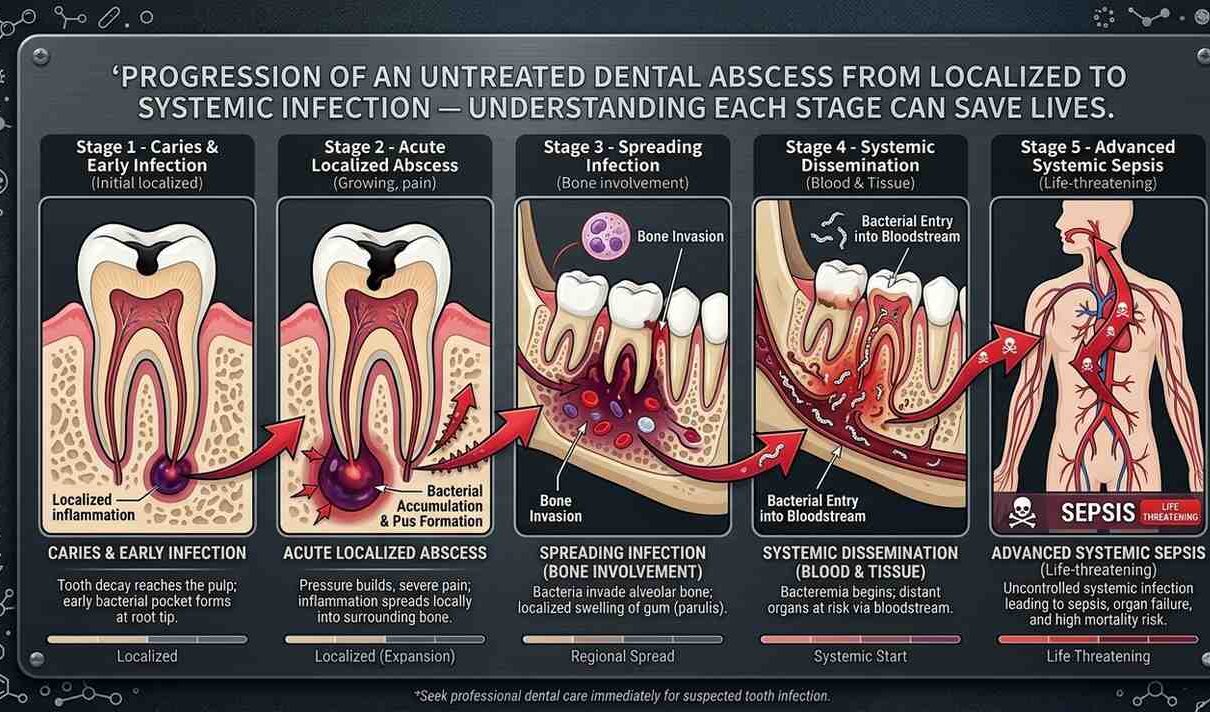
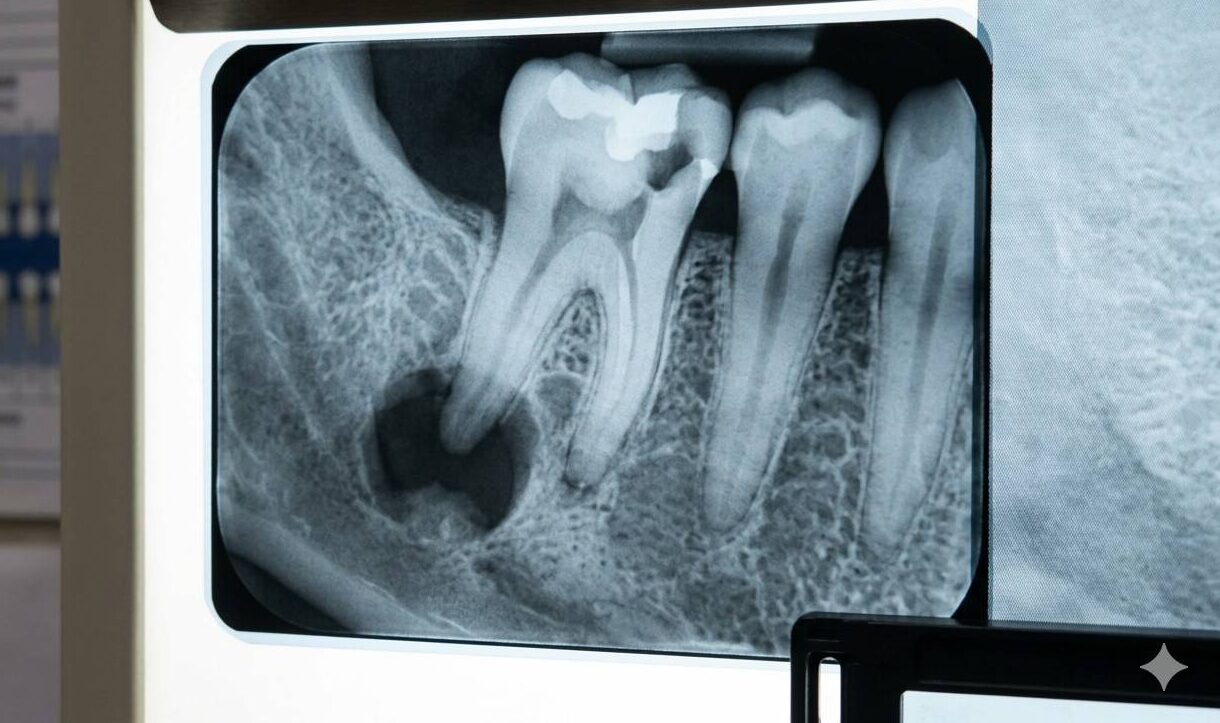
A tooth infection — medically called a dental abscess — is a pocket of pus that forms due to a bacterial infection inside or around a tooth. There are two main types:
- Periapical abscess: Occurs at the tip of the tooth root, usually caused by untreated tooth decay reaching the inner pulp (nerve) of the tooth.
- Periodontal abscess: Forms in the gum tissue next to a tooth, often linked to gum disease or a foreign object trapped in the gums.
The most dangerous aspect of a dental abscess is not the pain itself — it’s what happens when the bacteria find a way out of the tooth and begin spreading through the body. And once they start spreading, the clock begins ticking.
How Does an Abscess Form?
Bacteria thrive in the mouth. When tooth enamel is compromised — through decay, trauma, or cracked teeth — bacteria can enter the tooth pulp. The immune system responds by sending white blood cells to fight the infection, and pus accumulates at the site. If there is no drainage path, the pressure builds rapidly.
How Long Until a Tooth Infection Kills You? The Real Timeline
There is no single answer that applies to everyone, because the timeline depends on factors like the person’s immune system, overall health, age, and whether antibiotic treatment is started. However, here is what dental and medical experts generally agree on:
days
Early Stage: Localized Pain Begins
Throbbing toothache, sensitivity to hot/cold, mild swelling of the gum. The infection is still contained near the tooth. Treatment at this stage is simple and highly effective.
3–7
Spreading Stage: Swelling Increases
The abscess may begin spreading to nearby tissues — the jawbone, neck, or floor of the mouth. Fever, swollen lymph nodes, and difficulty chewing may appear. This stage requires urgent dental care.
2–3
Dangerous Stage: Systemic Infection Risk
Bacteria may enter the bloodstream (bacteremia). If the immune system fails to contain them, sepsis — a life-threatening whole-body inflammatory response — can begin. This is a medical emergency.
weeks
Critical Stage: Life-Threatening Complications
Conditions such as Ludwig’s Angina, brain abscess, or septic shock can develop. These carry mortality rates of up to 40% even with hospital treatment. Untreated cases are often fatal.
“A dental abscess does not stay in the mouth. Given enough time and a compromised immune system, it can spread to the airway, the brain, or the bloodstream — all of which can be fatal.” — General consensus among oral medicine and emergency care specialists

Warning Signs the Infection Is Spreading
Knowing the difference between a “normal” abscess and a spreading, life-threatening infection is crucial. Here’s how to tell:
✅ Localized Signs (Urgent but Manageable)
- Throbbing pain in one tooth
- Sensitivity to temperature
- Mild swelling of gum near the tooth
- Bad taste or odor from the tooth
- Slight swelling of the cheek
🚨 Danger Signs — Go to ER Now
- Swelling spreading to neck or floor of mouth
- Difficulty swallowing or opening mouth
- Trouble breathing
- High fever (over 103°F / 39.4°C)
- Confusion, rapid heart rate, extreme weakness
- Swelling closing or shifting your eye
Life-Threatening Complications of Untreated Tooth Infections
1. Ludwig’s Angina
This is one of the most feared dental complications. Ludwig’s Angina is a rapidly spreading cellulitis (infection of soft tissue) that starts at the floor of the mouth and can quickly block the airway. Without surgical drainage and IV antibiotics, it can cause death by asphyxiation.
2. Sepsis (Blood Poisoning)
When oral bacteria enter the bloodstream, the immune system can overreact, causing organ-wide inflammation known as sepsis. Septic shock — the most severe form — causes blood pressure to plummet and organs to fail. The CDC estimates sepsis kills over 270,000 Americans each year; dental infections are a recognized cause.
3. Brain Abscess
Bacteria from a dental infection can travel through blood vessels or through the sinuses to reach the brain, forming a brain abscess. This is a surgical emergency with a significant mortality risk even in hospital settings.
4. Cavernous Sinus Thrombosis
Bacteria from upper teeth can travel backward through the facial veins to a large blood sinus at the base of the skull, causing a dangerous blood clot and inflammation. This condition has historically had an 80–100% fatality rate, though modern ICU care has improved outcomes.
5. Mediastinitis
The infection can descend through the neck into the mediastinum — the space between the lungs — causing inflammation around the heart and major vessels. This is a dire, often fatal complication.
What Factors Affect How Fast an Infection Spreads?
Not everyone faces the same timeline. Several factors significantly influence how quickly a dental abscess becomes dangerous:
- Immune system health: People with diabetes, HIV/AIDS, cancer, or those taking immunosuppressant medications are at much higher risk of rapid spread.
- Age: Children and older adults have more vulnerability due to weaker immune responses.
- Type and location of tooth: Upper teeth sit closer to sinuses and the brain. Lower molar infections more easily reach the floor of the mouth and neck.
- Bacterial strain: Certain bacteria, particularly anaerobic strains, are more aggressive and antibiotic-resistant.
- Presence of systemic conditions: Uncontrolled diabetes, for example, dramatically speeds up the infection progression.
- Access to care: Delayed treatment — whether due to cost, fear, or lack of access — directly correlates with more severe outcomes.
How Is a Tooth Infection Treated?
The good news is that when caught early, a tooth infection is almost always completely treatable. Here are the standard approaches:
1. Dental Drainage
The primary goal is to remove the source of infection. The dentist makes a small incision in the abscess to allow pus to drain, which provides immediate relief and eliminates the bacterial reservoir.
2. Root Canal Therapy
If the infection has entered the pulp of the tooth, a root canal procedure removes the infected tissue, cleans and shapes the root canals, and seals them. This saves the natural tooth while eliminating the infection.
3. Tooth Extraction
When the tooth is too damaged to save, extraction is performed. The space can later be restored with a dental implant or bridge.
4. Antibiotics
Antibiotics (most commonly amoxicillin or metronidazole) are prescribed to address the bacterial infection systemically. However, antibiotics alone cannot cure an abscess — they must be used alongside drainage or tooth treatment. Never rely solely on antibiotics.
5. Hospitalization for Severe Cases
In cases where the infection has spread to the neck, chest, or bloodstream, hospitalization with intravenous antibiotics, surgical drainage, and sometimes ICU monitoring is required.
Never “wait and see” with a dental abscess. Even if the pain suddenly disappears, this does NOT mean the infection is gone — it may mean the abscess has ruptured and the infection is now spreading silently. Book an emergency appointment immediately.
Can You Treat a Tooth Infection at Home?
Home remedies can temporarily relieve discomfort but cannot cure a dental abscess. Here are what can and cannot help at home:
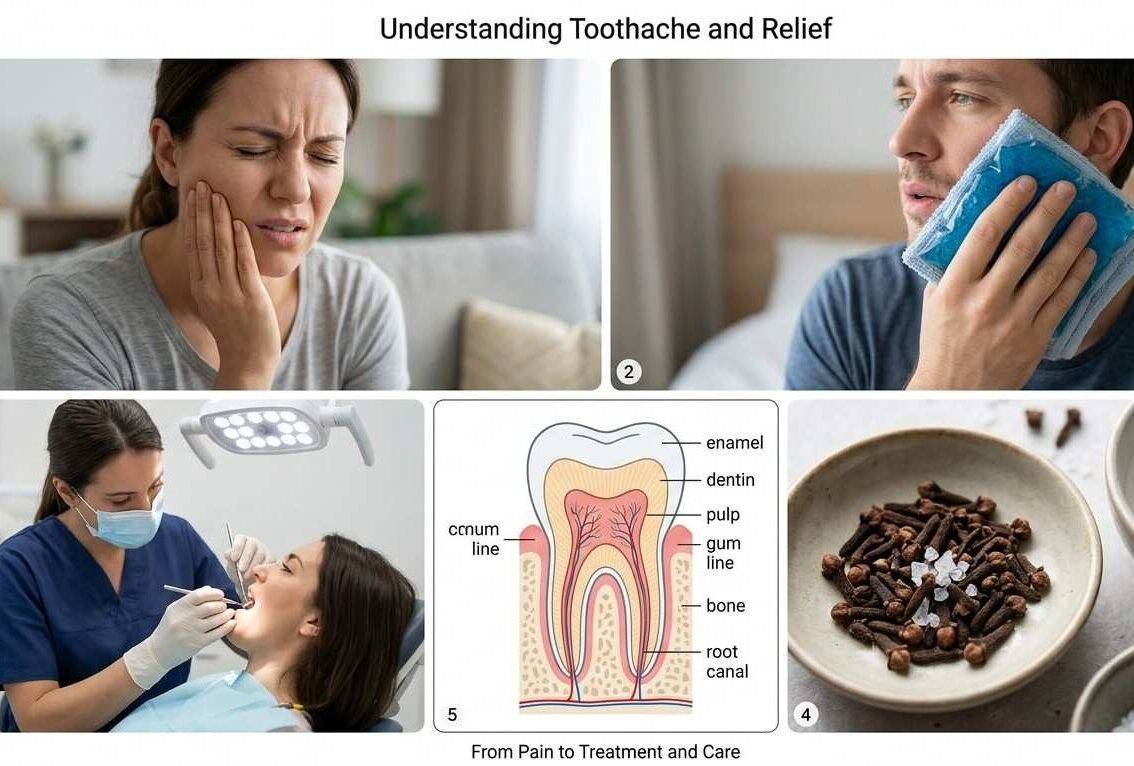
What Can Help Temporarily:
- Over-the-counter pain relievers like ibuprofen or acetaminophen for pain management
- Warm saltwater rinses to reduce surface bacteria and soothe gum tissue
- Cold compresses on the cheek to reduce external swelling
- Keeping the head elevated while sleeping to reduce pressure
What Definitely Cannot Help:
- Garlic, clove oil, and other herbal remedies — while mildly antibacterial, they do not penetrate deep enough to eliminate an abscess
- Hydrogen peroxide rinses cannot reach the root of the infection
- Antibiotics from a previous prescription should never be self-administered without a current dental diagnosis
How to Prevent a Tooth Infection From Occurring
Prevention is always better than emergency care. The vast majority of dental abscesses are completely preventable with consistent oral hygiene and regular professional care:
- Brush twice daily with fluoride toothpaste for at least 2 minutes each time
- Floss once daily to remove bacteria and food debris from between teeth and below the gumline
- Get biannual dental checkups — early-stage decay is treated with simple fillings, not root canals
- Address cavities promptly — never delay filling a cavity, as decay progresses quickly
- Wear a mouthguard if you grind teeth (bruxism) to prevent enamel wear that exposes inner tooth structure
- Reduce sugar intake — sugar feeds oral bacteria that produce tooth-eroding acids
- Manage chronic conditions like diabetes, which increases susceptibility to oral infections
- Don’t ignore tooth pain — it is always a signal that something needs professional attention
Don’t Wait Until It Becomes an Emergency
A tooth infection caught early is quick, affordable, and easy to treat. An untreated one can cost you your life. Book a same-day dental evaluation at Brass Smile Dental today.
Book Emergency Appointment →Conclusion: Take Tooth Infections Seriously — They Can Be Fatal
A tooth infection is not “just a toothache.” Left untreated, a dental abscess can spread from the mouth to the jaw, neck, chest, bloodstream, and brain — with potentially fatal consequences. The timeline varies but serious, life-threatening complications can develop within two to four weeks of an untreated abscess, and much faster in individuals with weakened immune systems or diabetes.
The bacteria responsible for dental abscesses do not stay contained. They are opportunistic, aggressive, and — when given time — deadly. Conditions like Ludwig’s Angina, sepsis, and brain abscesses kill thousands of people each year who originally had what began as “just a toothache.”
The encouraging reality is that tooth infections, when caught early, are among the most straightforward dental problems to treat. A dentist can drain the abscess, prescribe antibiotics, and often save the tooth entirely — in a single appointment. But this window closes fast.
If someone is experiencing jaw pain, facial swelling, fever, or the other warning signs described in this article, the right move is to act today — not tomorrow, not next week. Contact a dental professional immediately, or in severe cases, go directly to an emergency room.
At Brass Smile Dental, the team is here to help patients in dental distress get seen quickly, treated compassionately, and guided toward complete recovery. Don’t let fear or delay turn a manageable infection into a medical catastrophe.